Showing posts with label Seminars. Show all posts

Monday, 23 November 2015

ANTIBIOTIC RESISTANCE AND YOU!

ANTIBIOTIC RESISTANCE AND YOU!
TWO FREE EVENTS BY PUBLIC HEALTH ENGLAND


Birmingham: Wednesday 2 December 2015
Repertory Theatre, Centenary Square, Broad Street, Birmingham, B1 2EP
and
London: Wednesday 24 February 2016
John Hunbury Lecture Theatre, UCL School of Pharmacy, 29-39 Brunswick Square, London WC1N 1AX

Antibiotic resistance affects you, but do you know how? Come and join the discussion on how we can work together to combat antibiotic resistance!

If we fail to act, we are looking at an almost unthinkable scenario where antibiotics no longer work and we are cast back into the dark ages of medicine" – David Cameron, UK Prime Minister

Find out what antibiotic resistance really means to you and your family by attending one of our events.

These free events will:

·        Educate you about the causes of antibiotic resistance and why it is a threat.
·        Inform you about what you can do to help solve this problem by taking simple, everyday steps.
·        Explain the roles and responsibilities of the government, policy makers, and healthcare professionals in tackling this problem.
·        Show you how you can join the fight against antibiotic resistance.
·        Allow you to contribute to the debate about antibiotic resistance and to the solution!
We look forward to welcoming you!

Thursday, 30 July 2015

LeSpar AMR Workshop - The Nottingham Edition, Funding & Final conclusions

This is the last post on a series of presentations that were given by researchers as part of the Learned Society Partnership on Antimicrobial Resistance. The workshops took place in London, Dundee and Nottingham. All my posting covered solely Nottingham's Edition; the one I have been to! If you'd like to read about the different presentations, please access here, here and also here

This final part has to do with funding. The talk was given by Lizzie Garrett and to the best of my knowledge it covered the "Tackling antimicrobial resistance cross council initiative". These are the bullet points I managed to take note of during Lizzie's talk: 
  • UK funded research on AMR, from 2007 to 2013, in approximately £275M;
  • What else is needed then? An AMR funders forum led and managed by the Medical Research Council (MRC). This forum was launched in June 2014 and is restricted to bacterial resistance.
  • Theme I is about understanding bacteria, Theme 2 is about accelerating therapeutic and diagnostics, Theme 3 is about understanding real world interactions and Theme 4 is about understanding behaviour within and beyond the healthcare settings;
  • Looking deeper into what each of these themes entail, theme I is MRC-led, have innovation grants and collaborative grants; theme 2 is also MRC-led with a deadline on the 4th of June 2015 (also innovation and collaborative grants available) and a panel meeting pointing to September 2015 and March 2016; theme 3 is NERC- and MRC-led [NERC = Natural Environment Research Council] and the discussion panel meets in the Summer of 2015;
  • I wasn't able to pick up anything on theme 4, sorry for that!
The organisers then proceeded to producing some funny moments of networking with an 'organised mishmash' of groups and discussion tables.  Participants had to contribute with pertinent questions on the today and tomorrow of antimicrobial resistance research and focus, but also had to offer possible answers to questions posed by other groups. The debate was very interesting, but as I mentioned before in my first post, for most of the students present it was more of a sit-back-and-watch PIs and the like talk rather than actually being able to participate. It was a bit like watching grown ups talk on a Saturday night dinner table and not being heard, even when you know their views are in urgent need of some new fresh approaches. 

The questions prepared by the different groups are listed below:

1) In what way can we identify, group and support people with a common interest in alternative approaches to AMR?

2) Is it too late to attempt to conserve antibiotics?

3) Should we be looking elsewhere for alternatives?

4) Are the experiments that we perform in the lab relevant at all? Can this explain why some strains become dominant?

5) How do we standardise experiments between and among labs in order to latter compare results from different environments?

6) Is selection to AMR happening in the environment? If so, where and how? And what are the implications for human and veterinary medicine?

7) Are we in need of realistic lab-based models and model systems, including alternatives to animals, to study infection and therapeutics?

8) What is resistance anyway? How can we define resistance?

Maybe you can organise a debate in your department and have some interesting discussions trying to find answers for these pertinent questions. I hope you've enjoyed this series of presentations and that you keep visiting The Toxicologist Today.

Image kindly taken from http://www.mrc.ac.uk/research/initiatives/antimicrobial-resistance/

Friday, 24 July 2015

Symposium on Clostridium difficile @ Antibiotics-2015


Symposium on Clostridium difficile conducted by Glenn S Tillotson PhD, FIDSA, FCCP, FISC, Transcrip Partners LLC, Downingtown, PA
Visiting Distinguished Scientist, PHRI, Newark NJ. Slots for symposium which is a global interest for the upcoming researchers in antibiotic resistance, infection and other experts. Interested can reach them on antibiotics@omicsgroup.com


World Congress and Exhibition on Antibiotics September 14-16, 2015 Las Vegas, Nevada, USA 

See more at: 

http://antibiotics.omicsgroup.com/#sthash.GwjnKCpO.dpuf

Tuesday, 21 July 2015

Jan Kreft Intervention @ LeSpar AMR Workshop - The Nottingham Edition

Jan Kreft from the University of Birmingham shared with the audience at the MediCity a very interesting perspective (with loads of questions outside the box) on Antimicrobial resistance in the human gut. But before we move on to Jan's participation, if you haven't had the opportunity to read also Chris Dodd's contribution and Rachel Gomes' contribution, already posted in the blog, just click on the names to do so.


Now moving onto Jan's presentation, his most remarkable shared views and points are listed below:


  • There is diagnosed antimicrobial resistances present in people who have not taken any antibiotics ever or that for a long time never took them. How was such resistance acquired?
  • Resistances are found even in individuals from the Yanomani tribe in Brazil's 'Amazon' [1] that were never in contact with humans.
  • The prevalence of antimicrobial resistance will decline if the use of an antibiotic is discontinued because of a fitness cost of carrying the resistance. Resistance rises if an antibiotic is used because of positive selection for the resistance. So we have to ask ourselves if discontinuing works? And why does resistance persist?
  • Fitness costs, diversity, variation of costs and diversity of microbes, hitchhiking (when a gene is coupled to another gene that is positively selected, e.g., resistance to mercury). We have to consider an approach to the real world.
  • There is a huge bacterial diversity in gut also affecting the spread of plasmids. There are huge numbers of bacteria in the gut, ~ 5E13 individual cells. The heterogeneity  goes from small to large scale.
  • Will a more prudent use of existing antibiotics be enough? What can we do? Give a narrower spectrum of antibiotics, higher dose or lower dose? Should we give a combination of two drugs rather than one? Should we invest in new drugs, ideally new classes of drugs (new strategies)?
  • On the other hand should we start attacking directly the resistance genes and plasmids preventing a possible transfer? Should we prevent infections as they mean fewer treatments? What kind of research do we need? 
  • We need to consider consequences of diversity of strains, plasmids, resistance genes and quantitative models to optimise treatment at population level.
  • We cannot deal with complexity without models. Take for example the developed iDynoMics software, a free software available online.
Next post will have the final contribution taken from the Learned Society Partnership seminars on antimicrobial resistance - Nottingham Edition, that took place on the 7th of July this year. It will be about getting funding (by Lizzie Garratt) and some final notes on the most important questions that have emerged from the event. Hope to see you soon, have a nice time!

[1] The Yanomami: An isolated yet imperiled Amazon tribe, The Washington Post, [http://www.washingtonpost.com/wp-srv/special/world/yanomami/], last visited on the 21st of July 2015, last update on the 25th July 2014.


2nd image kindly taken from Natural selection, Wikipedia, [https://en.wikipedia.org/wiki/Natural_selection], last visited on the 21st of July 2015, last published on the 14th of July 2015.

Tuesday, 14 July 2015

Rachel Gomes Intervention @ LeSpar AMR Workshop - The Nottingham Edition

On the following up of the Learned Society Partnership (LeSpar) Antimicrobial Resistance workshop see here) last week. Today I bring you incredible interesting research presented by Rachel Gomes (Assistant Professor in Chemical and Environmental Engineering, Faculty of Engineering, University of Nottingham) that took place on the 7th of July at MediCity this year.

Rachel covered "Antimicrobial resistance in the outside environment: Challenges and Opportunities". Her presentation was the one I liked the most at the LeSpar workshop - Nottingham Edition. Interesting, focused, realistic, and most of all almost linking the urban with the industrial settings. Let's read through the elements Rachel Gomes presented us with:
  • Everything started back in the 30s with humans and animals being exposed to antimicrobials present in the environment. A particular farm was processing faeces. Immediately an intriguing question emerges from this scenario, "What is the influence of waste management practices on AMR?
  • By defining the outside environment we find particulates (matter in the form of minute separate particles). Landfill is where we have the inappropriate disposal of antibiotics that accumulate in these particles.These accumulated antibiotics will be leached (transported to municipal wastewater treatment plants)!
  • In Australia there are different classes for direct water reuse, e.g., Class A is for water that can be reused in car washing. However, worldwide, rapid urbanisation and water shortages has led to utilising reclaimed water irrigation, thus our motivations for considering AMR in the outside environment have grown in number and importance.
  • In England  and Wales there are 23 water companies.These protect the quality of water and treat effluents released to the received water environment. Their individual systems are not designed to deal with AMR substances. We are talking of substances that have already been linked to acting as endocrine disruptors.
  • Observations of wastewater effluent adversely affecting fish has now lead to more than £200M of investment by water companies. Although, the future demands for "new" analytics to track the metabolism and fate of these chemicals present in the wastewater treatment process of aquatic environment.
  • Bacterial bordellos, has mentioned in (Edge, 2010); an article that explores the mix of bacteria in activated sludge processes and the fate of antibiotic resistance genes in sewage treatment plants (unfortunately, I personally wasn't able to find his article).
  • After the privatisation of the water treatment industry a lot of questions have emerged: Which unit processes do actually form the treatment program? What are the effects of the treatments in terms of UV exposure and chlorination on the horizontal transfer to AMR? What level of detail is considered appropriate to understand AMR in the outside environment? Considering AMR as an emerging pollutant what sites should we monitor? What implications does AMR have on managing wastewater/wastes? How can we better understand complexity?
This was Rachel Gomes' oral participation with a very interesting presentation that took me back to those years as a Biotechnological Engineering student, back in Portugal. I managed to ask Rachel if she thought that we could use a barcode footprint system to make the end-user more responsible for correct handling and disposal of the antibiotics. Rachel replied among other things that "...it becomes educational. Cannot force people to do it... companies are talking about recycled antibiotics".

See you next time where I will share with you guys University of Birmingham's Jan Kreft's contribution. A very interesting view on antimicrobial resistance and gut microbiota. Until then, keep reading The Toxicologist Today. Cheers!

1st image kindly taken from UNESCO-IHE,  Ecological sanitation, [http://ocw.unesco-ihe.org/mod/page/view.php?id=616], last visited on the 13th of July 2015, last update on the 8th of May 2010.

Wednesday, 8 July 2015

Chris Dodd's opening welcome @ LeSpar AMR Workshop - The Nottingham Edition


If you haven't read the previous post please do so by accessing here.

Christine Dodd was my teacher in Sutton Bonington back in 2006/2007. I had the
opportunity to very briefly talk to her and was very happy that she was the one welcoming the audience. Here are the general notes I took from her contribution yesterday:
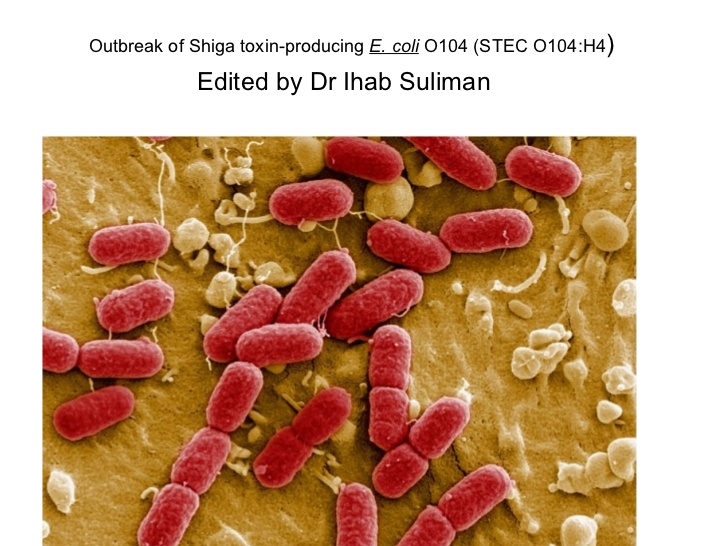
  • A Swedish group reported that an Indian Plant that makes pharmaceuticals discharges an average of 44 Kg of Ciprofloxacin per day to the wastewater. This is a massive environmental problem as bacteria are not static, they travel, carry antibiotic resistances that end up just like the 0104:H4 Escherichia coli hybrid pathogen outbreak.
  • The cited outbreak was suggested to have started in Egypt and travelled to germany where tourists disseminated it to other countries. In the end, E. coli 0104:H4 got resistant to 10 different antibiotics!
In addition, a second speaker offered his valuable contribute but I just couldn't get hold of his name. His remarks below:
  • To avoid AMR in the environment we need to act as a community. no single discipline can crack AMR.
  • The planet scientists support each other  and the microbiologists attack each other, therefore plant scientists get a lot more funding for their research and the microbiologists don't.
  • We microbiologists need to draw in the contribution of multiple disciplines.
The coming participation to be posted will be from Rachel Gomes from the University of Nottingham, keep checking!

Image kindly taken from Dr. Ihab Suliman's slideshare presentation on "The outbreak of Shiga toxin-producing E. coli 0104:H4", [http://www.slideshare.net/isuliman/outbreak-of-shiga-toxin-producing-e-coli-8214876], last visited on the 8th of July 2015, last updated opn the 5th of June 2011.

LESPAR Interdisciplinary Networking Workshop on Antimicrobial Resistance - The Nottingham Edition

Yesterday I attended the LESPAR Interdisciplinary Networking Workshop on Antimicrobial Resistance (AMR) - The Nottingham Edition as I call it (@ MediCity). With a 5 stars organisation (these logos on the right side name them) I must say it was definitely one of the workshops that helped me learn the most on AMR these last 7 months. Second place goes to the one in Birmingham organised by Antibiotic Action last April.

As usual I took a lot of notes that I will be sharing with you on 4 different posts, so the information load doesn't pile to utter boredom. If I can list one positive and one negative I would say that the networking model they found is a great one to implement in the future to come in many other events that merge scientists from different backgrounds. It really triggers contribution, it really prepares the tables for the stressing of real life issues and allows possible solutions to rise from sincere discussions. On the negative part something that was present but is not exclusive to this event, as pretty much everyone these days unfortunately go that way, I talk of the neglecting of opinions from those who are mere students. The latter stated doesn't really concern the organisers, they actually promoted an open debate to vocalise everyone's thoughts. But when in a table where scientific discussions are taking place, those with a higher status and experience, e.g., PIs, Research Associates, Associate Professors, Funding Bodies' Representatives have the upper hand. And students acti wrongly as they just recline, sit back and watch the ping pong take place. I don't do that, I do the opposite whenever I can. I contribute, I share my views, I participate. But sometimes it is just impossible for some students to break the shell and offer their perspective because some on the higher levels will inhibit it (intendedly or unintendedly).

Nevertheless, what a great event! I will kick-off on the next post with what was said yesterday by the different people. During the whole event I took loads of notes. Please make sure you try to read it because the content comes from professionals who dictate a lot of the pulsating actions that are taking place in AMR research these days. And one thing I learned from this event immediately is that the direction of such pulsating research will very soon turn sides. 

Monday, 6 July 2015

WORKSHOP ON ANTIMICROBIAL RESISTANCE - 7th July, Nottingham, MediCity


"The Learned Society Partnership on Antimicrobial Resistance (AMR) is holding three interdisciplinary networking workshops to bring together researchers, from all career stages, who have an interest in fundamental or translational research relating to the evolution and transmission of AMR.
AMR is a global health threat. A better understanding of how different environments, and their uses, affect the evolution and transmission of resistance is key to tackling AMR. These environments include: animal and human host tissues; hospitals and urban environments; and agricultural and natural settings. The need to understand these ‘real world interactions’ is reflected by Theme 3 of the cross-research council AMR funding initiative.
Multidisciplinary research and knowledge exchange across medicine, the life sciences, physical sciences, engineering, social sciences, agricultural and veterinary sciences will be vital for closing this knowledge gap and translating research into applications to tackle AMR.
Workshops will be held in London, Dundee and Nottingham on the following dates:
  • Charles Darwin House, London, Thursday 25 June 2015
  • University of Dundee, Friday 3 July 2015
  • MediCity, Nottingham, Tuesday 7 July 2015"

I will be at the MediCity ground tomorrow to learn from the speakers and also present my poster entitled:

Discovery of novel small-molecules for the inhibition of Pseudomonas aeruginosa quinolone signalling

Monday, 23 March 2015

Antimicrobial Resistance - Movie and Debate

On the 9th of March 2015 I took a train from Nottingham to Birmingham right after work to attend the Antimicrobial Resistance Debate. The event consisted of a film with a duration of around 60 minutes followed by a BBC type  of debate. I was really eager to be part of it because deep inside I'd love to have my professional career established in antimicrobial resistance research. I went there for some insight on what's hot about this topic and for some networking. The movie shown was incredibly good, the attendees were actually the first to watch this movie in Europe. When you get to watch it you'll realise that these guys did a real good job. The film is an independent UJI production directed by Michael Graziano and funded by Kickstarter - check here if you want to watch the trailer. It is very informative, very in your face, very emotional and also very "here's the clear data, make of it whatever you want".

As the event was taking place I took some notes of the most important/interesting things I believe were shared by the intervenants:
  • More than 90% of animal meat in the USA is raised in CAFOs (Concentrated Animal Feeding Operations (image below);
  • Microbial resistance to antibiotics is due to overuse in medicine, homes, agriculture and the fact that we have not adapted to the new times;

 [1]

  • We have early squandered antibiotics by overusing it in medicine, like overproducing and overusing mould of cantaloupe that generated 200-times more volume than other sources. The generated antibiotic was used in the Vietnam war by the US Army when they preventively gave penicillin as means to prevent Gonorrhoea, thus generating an increment in antibiotic resistance.
  • We are in desperate need for rapid diagnostic tests capable of screening for microbial infection;
  • Antibiotic footprint is a good idea that could be applied to agriculture;
  • It's impossible not to love the Danish for their respect towards nature and themselves, simply because of their attitude regarding banning the use of antibiotics as growth promoters within the pork industry [2];
  • It won't take long until microbial resistance against Telavancin (semi-synthetic antibactericidal used in hospitals to fight MRSA) is acquired; [3]
  • On my question regarding the movie not mentioning antibiotic synergy between traditional and synthetic molecules, a topic that is increasingly trendy since 2011, I was told that synergy has more to do with good luck rather than good judgement - I didn't bite it!!!;
  • There is no evidence at all that giving a full-course of antibiotics helps beat resistance;
  • MERCK recently fired loads of people that were working on antibiotic research;
  • 500 million dollars to make a new drug is what puts companies off of making it;
  • Funding is the big issue in this problem. Companies have got to (de)prioritise some areas  and prioritise antimicrobial drug research;
  • Government needs to be made responsible and generate their own departments for looking into new antibiotics because industry is not interested;
That's it folks, it is entirely up to us and the governments now. The time for change is now, not tomorrow, not in a distant future. If you want to know more on this topic check the Antibiotic Action's webpage, they really do some great work. 


[1] CAFOs, On Earth Magazine, [http://archive.onearth.org/tag/CAFOs], last visited on the 23rd of March 2015, last updated on the 7th of March 2014.

[2] The antibiotic ban in Denmark: A case study on politically driven bans, Animal Health Institute, [http://www.ahi.org/issues-advocacy/animal-antibiotics/the-antibiotic-ban-in-denmark-a-case-study-on-politically-driven-bans/], last visited on the 23rd of March 2015, last update unknown.

[3] Damodaran, S. E.; Madhan, S. (2011). "Telavancin: A novel lipoglycopeptide antibiotic", Journal of Pharmacology and Pharmacotherapy, 2(2), pp. 135-137.

Thursday, 2 October 2014

Video of "Blogging Microbes" available online

The video recording for the event I organised and hosted on the 19th of September 2014, "Blogging Microbes - Communicating Microbiology to Netizens", see Here and Here, is now available online


The editing was performed by James Gurney (one of the speakers), and even though there are some missing parts due to camera issues, I believe that the video gives a nice idea of what was discussed and debated.

Monday, 22 September 2014

Post-Blogging Microbes

I had great fun, the audience had great fun and the speakers present had great fun, that's common ground, I believe. I was particularly happy with how engaging and fluid the talks were, and also by the good vibe created with the audience. We could easily see they were eager to learn new tricks to start communicating their research, they were very interested in what the speakers had to share in regards to their experience and their knowledge. Moreover, hearing first hand from someone with experience is a great way of triggering that ignition-spark and go do it yourself.

I must assume that personally this event gave me directions on correcting mistakes, reinventing my writing at points and use some useful tools I had no idea they were out there for us.

You will all be able to listen and watch to the whole thing when the video is uploaded to the different online platforms. I will grant free access to the URL, don't worry! As the editing is still in process, bear with us and crave the microbes.

All in all, I really need to thank the School of Life Sciences for letting me run this event in a 1st class lecture room, plus every single person attending the event, as well as the speakers for their incredible talent, but most of all the Society for General Microbiology for believing in my capacity to deliver something new, something fresh, something different.

Thank you so very much.

Ivan Lafayette

Wednesday, 13 August 2014

Blogging Microbes - Communicating microbiology to netizens - Final Panel


The panel for the "Blogging Microbes - Communicating microbiology to netizens" event (sponsored by The Society for General Microbiology) is finally concluded. We will have some impressively talented people communicating their views to the audience and the broad spectrum of ideas is just mesmerizing. I honestly hope that people out there, and not only scientists or science students, realize that this group of speakers will bring a lot of expertise, quality information, entertaining perspectives and positive thinking to an event that I personally see as resounding. Don't waste the opportunity to come and check by yourself on the 19th of September 2014. 

"Blogging Microbes Communicating microbiology to netizens"

Date: 19th of September 2014 (Confirmed).
Time: 3 to 5pm (Confirmed).
Venue: D96a, which is located on D Floor of the Medical School, Queens Medical Centre, University of Nottingham (Confirmed).

Confirmed Speakers: 
Alan Cann (author of the blog MicrobiologyBytes) will participate in video format;
Shuna E. Gould (author of labratting on twitter) will be present;
Oscar Huertas Rosalez (YouTubber and author of the Spanish blog "Stupidity is tremendously more interesting") will participate in video format;
James Gurney (co-author of the podcast The League of Nerds) will be present;
Josh Nicholson (co-developer of The Winnower) will participate in video format;
Alam Faraz (author of the blog Memoirs of a defective brain) will be present.

======================================================

QMC full site map - access here.

Directions by Car


Satnav

Please use the postcode NG7 2UH for directions to the Queen's Medical Centre when using a satellite navigation system.

How to get there

The hospital can be found on the western side of the city of Nottingham. It is situated just on the east side (inside) of the Nottingham Ring Road at its junction with the A52 to Derby. The A52 crosses the M1 at junction 25.
Leave the M1 motorway at Junction 25, and take the 'A52 to Nottingham', past Stapleford, Bramcote and Wollaton Park. As you pass the University on your right you will come to a large traffic island with QMC on the right immediately after the island. Turn right here, take the first slip road on the left into the hospital grounds and continue along the hospital perimeter road.

Tuesday, 5 August 2014

Blogging Microbes - Communicating microbiology to netizens - Updated speakers list

Could I ever be more pleased that pretty much everyone I've been inviting has had the kindness to say yes? HELL NO! This time I got a YES from Alam Faraz, an author in the Memoirs of a Defective Brain (my favourite science blog for a long time now). 

The full panel of speakers is pretty much closed by now and we count on some really interesting names. We have a venue, we have a date and we have a tremendously interesting topic, so all we need now is YOU GUYS.

Pop in next September the 19th at 3pm, there is room (D96a in the Medical School - D floor) for a lot of people. After the seminar we will continue our friendly debate in Johnson's Arms, a pub 'round the corner.

Stay tuned for all the updates will be showing up here in real time!

"Blogging Microbes Communicating microbiology to netizens"

Date: 19th of September 2014 (Confirmed).
Time: 3 to 5pm (Confirmed).
Venue: D96a, which is located on D Floor of the Medical School, Queens Medical Centre, University of Nottingham (Confirmed).

Confirmed Speakers: 
Alan Cann (author of the blog MicrobiologyBytes) will participate in a video format;
Shuna E. Gould (author of labratting on twitter) will be present;
James Gurney (co-author of the podcast The League of Nerds) will be present;
Alam Faraz (author of the blog Memoirs of a defective brain) will be present;
... and 1 more video speaker yet to be confirmed.


======================================================

QMC full site map - access here.

Directions by Car


Satnav

Please use the postcode NG7 2UH for directions to the Queen's Medical Centre when using a satellite navigation system.

How to get there

The hospital can be found on the western side of the city of Nottingham. It is situated just on the east side (inside) of the Nottingham Ring Road at its junction with the A52 to Derby. The A52 crosses the M1 at junction 25.
Leave the M1 motorway at Junction 25, and take the 'A52 to Nottingham', past Stapleford, Bramcote and Wollaton Park. As you pass the University on your right you will come to a large traffic island with QMC on the right immediately after the island. Turn right here, take the first slip road on the left into the hospital grounds and continue along the hospital perimeter road.

Monday, 4 August 2014

Blogging Microbes - Communicating microbiology to netizens - update

And we finally have a room! 

Room D96a in the Medical School (Queens Medical Centre) has been booked for us. It holds 58 people so I believe it will be big enough for this event. The seminar will occur from 3pm to 5pm on the 19th of September, 2014. I can't wait!!!!
  
"Blogging Microbes Communicating microbiology to netizens"

Date: 19th of September 2014 (Confirmed).
Time: 3 to 5pm (Confirmed).
Venue: D96a, which is located on D Floor of the Medical School, Queens Medical Centre, University of Nottingham (Confirmed).
======================================================

QMC full site map - access here.

Directions by Car


Satnav

Please use the postcode NG7 2UH for directions to the Queen's Medical Centre when using a satellite navigation system.

How to get there

The hospital can be found on the western side of the city of Nottingham. It is situated just on the east side (inside) of the Nottingham Ring Road at its junction with the A52 to Derby. The A52 crosses the M1 at junction 25.
Leave the M1 motorway at Junction 25, and take the 'A52 to Nottingham', past Stapleford, Bramcote and Wollaton Park. As you pass the University on your right you will come to a large traffic island with QMC on the right immediately after the island. Turn right here, take the first slip road on the left into the hospital grounds and continue along the hospital perimeter road.

Thursday, 31 July 2014

Blogging Microbes - Communicating microbiology to netizens

It is with great pleasure, happiness, pride and an immense sense of responsibility that I announce to the audience of this blog that the Society for General Microbiology accepted my application to the Local Microbiology Event Sponsorship. This means that the seminar/happening/discussion/miracle is indeed to occur and I will be able to debate one of the most interesting topics out there these days in the Microbiology world. I speak of the new platforms of communication that use the potentialities provided by Internet to spread our message around the globe. 

There are serious first class blogs, podcasts, social networks, websites, forums, twitter accounts and the like, disseminating microbiology related subjects through a vast web network. This global medley collection of roads to knowledge can be quite mazy when one's not aware of the different niches that they relate to. And it is still very premature a cloud, the one that holds all these different perspectives/approaches in a symbiotic inter-dynamic swirl, culminating in the main topic - Microbiology.

This gap on the road to a better communication and understanding of microbiology related topics led me to prepare a local event in the University of Nottingham. For we all are netizens; citizens of the Internet that forage and scrape the different platforms for a little bit more of information spread all over Marshal McLuhan's global village. But our famine will no longer be as you are all invited to attend:

"Blogging Microbes - Communicating microbiology to netizens"

Date: 19th of September 2014.
Time: 3 to 5pm, but still needs confirmation.
Venue: Queens Medical Centre, University of Nottingham, Room to be announced.

Confirmed Speakers: 
Alan Cann (author of the blog MicrobiologyBytes) will participate in a video format;
Shuna E. Gould (author of labratting on twitter) will be present;
James Gurney (co-author of the podcast The League of Nerds) will be present;
... and 2 more speakers yet to be confirmed.


If you are willing to attend and want to know more, stay tuned to The Toxicologist Today. I will be posting news about this event sponsored by the Society for General Microbiology, organised by myself and with the special participation of these incredible speakers that will make us suffer with expectation as we wait for the 19th of September 2014.

1st image taken from Empowering Nations International [http://www.empoweringnations.com/wp-content/uploads/2014/07/online-marketing.png]

Thursday, 17 May 2012

"Neglected tropical diseases - Innovative targets and pathways"

On the 15th of May I had the opportunity to attend a seminar offered by the Centre for Biomolecular Sciences (University of Nottingham) and the Drug Discovery Unit (University of Dundee). The speaker? Professor Paul Wyatt - Head of Drug Discovery Unit of the University of Dundee, hosted by Professor Peter Fischer. The essential ideas are resumed below.

The goals for the Neglected Diseases Program:
- study African sleeping sickness,
- study Leishmaniasis,
- study Chagas diseases,
- study Tuberculosis,
- study Malaria.

Why study the Human African Trypanosomiasis (HAT)?
- approximately 100% fatal if not treated,
- diagnostics are inadequate,
- current existing drugs are inadequate,
- can carry siRNA studies for target validadtion.

How about the product profile?
- needs to show acceptable toxicity, i.e., <1% drug related mortality
- preferred drug related mortality would b e<0.1%,
- pharmaceutical need to show 100% pathogen mortality.

What are the hit discoveries strategies?
- a two stringed strategy:
1) to genetically validate molecular targets,
2) and a phenotypic screening.

What about the portfolio of halted HAT projects?
The idea is target assessment > assay development > hit discovery... and so on.

The accompished product N-Myristoyltrabsferase (NMT):
- it is a ubiquitous and essential enzyme in all eukaryotic cells,
- NMT catalyses the attachment of myristate onto the N-terminal glycene of potentially over 60 peptides.

NMT is required for T. brucei survival:
- they've realised that after an interference siRNA study, in vivo.

About optimising the product:
- they investigated SAR for each moiety,
the principal initial aim was to identify the best molecule possible and work the aromatic region to reach a more stable one,
- they purchased approximately 30 commercially available analogues.


Rigidified amine-bearing compounds:
- introduction of conformational restriction defines optimal amine orientation.

What else?
- NMT inhibition correlates with activity in trypanosomes in vitro,
- the compounds act on NMT in situ,
- the central nervous system (CNS) was taken as a key issue with a CNS penetration of B:B ratio of <0.1,

And where are they at the moment?
- working the NMT inhibitors,
- the target is validated through to activity in mouse model of HAT,
- good understanding of drivers of inhibitor potency
- ... etc etc etc.

Figure 1 taken from Structure of a ternary complex of N-myristoyl transferase (NMT) bound to N-myristoyl-CoA and a peptide analog, [http://people.cryst.bbk.ac.uk/~ubcg54a/nmt1.html), last access on the 17th of May 2012.


Figure 2 taken from Parasites and Health, [http://www.dpd.cdc.gov/dpdx/html/frames/s-z/trypanosomiasisafrican/body_trypanosomiasisafrican_page1.htm], last access on the 17th of May 2012, last update unknown.

Monday, 6 February 2012

Innate immune recognition of Pseudomonas aeruginosa and The role of Pseudomonas Quinolone Signal (PQS) on the interaction of Pseudomonas aeruginosa with lung epithelial cells

As usually guys and because we're right in the middle of those classy reviews of the regulatory affairs course, I am bringing you guys something different. Remember the seminars I do attend now and then, the Bacteriology Forum in the Centre for Biomolecular Sciences in the University of Nottingham. Well, we had two great presentations today and I will be revealing the most interesting facts shared by the investigators responsible for these presentations. Unfortunately, and because I am presently struggling with a serious flu some ideas I was just incapable of listening to adequately, and also the first speaker flashed slides to the speed of light, what actually disturbed my understanding.

To start with, a presentation by Sonali Singh (Lectin Biology Group studying host-pathogen interaction)

Title:     Innate immune recognition of Pseudomonas aeruginosa
 

Abstract:

     Pseudomonas aeruginosa is an opportunistic pathogen that causes severe respiratory infections in susceptible individuals (e.g. cystic fibrosis patients). The current study aims to identify the conditions required for P. aeruginosa clearance / inhibition and cellular recruitment by one of the major innate immune players in bacterial infections – macrophages (Mf).

    Our results show that under non-opsonic conditions M-CSF-induced human monocyte-derived Mf expressed TNF-a, IL-6, IL-1b, IL-18, IL-8, MCP-1, and MIP-1a in response to viable P. aeruginosa PA01. These Mf eliminated up to 50% of PA01 within 4 hours of infection, but were eventually overwhelmed by the bacteria. Priming Mf prior to infection by the addition of IFN-g or by substitution of M-CSF with GM-CSF did not enhance bacterial clearance or Mf survival significantly, but shifted the cytokine response to a more proinflammatory one. In terms of promoting inflammation, comparison of TNF-a vs. IL-10 ratios revealed an hierarchy where Mf primed with M-CSF < M-CSF + IFN-g ≤ GM-CSF < GM-CSF + IFN-g.

Hot-Points: 

- Cystic fibrosis is the most common inherited disorder in Caucasians (1 in 2000-3500 births);
- 80-97% of cystic fibrosis patients in their sample had been colonised by Pseudomonas aeruginosa;

Conclusions:

- Macrophages activation with GM-CSF and IFN-γ enhances pro-inflammatory cytokine profile;
- Reduction in Total PA numbers gets complicated by variation in amount of macrophages-associated  PA;
- They achieved successful purification of minimally activated human neutrophils from whole blood;
- Purified neutrophils produce reactive oxygen species upon stimulation.

Future work: 

- They are trying to answer if macrophages signals affect neutrophils response (in terms of production of reactive oxygen species) to PA01 strain;
- They are also trying to optimise reactive oxygen species assay with X-VIVO15.
===========================================================

In respect to the second presentation of the day conducted by Liu Yi-chia (Chris)

Title:     The role of Pseudomonas Quinolone Signal (PQS) on the interaction of Pseudomonas aeruginosa with lung epithelial cells

Abstract:

     Airway epithelial cells (AECs) serve not only as a physical barrier when challenged by pathogens but also activate immune responses by releasing antimicrobial peptides and recruiting phagocytes to the infection site. P. aeruginosa is thought to be the leading cause of the severe mortality in cystic fibrosis (CF) patients; by exploiting quorum-sensing systems, it can easily adapt to the CF lung.  


     Apart from the AHL-based QS circuit, alkyl quinolone (AQ) molecules can also be detected in CF lungs indicating AQs might involve in the regulation of chronic pulmonary infection, although the mechanism is still unknown.

     To investigate how alkyl-quinolone QS molecules modulate the innate immune system, we utilize P. aeruginosa PA01-L and its isogenic AQ-deficient mutant (pqsA-) to infect polarized airway epithelial cells. Unexpectedly, preliminary data suggest that the AQ-deficient strain might be more invasive than its wild type counterpart. We propose that this increased damaging capacity might facilitate early warning of innate immune cells and promote bacterial clearance. Understanding of the signaling events activated in AECs upon infection may direct the design of better therapeutic interventions for chronic pulmonary infections.

Hot-Points: 

- Epithelial cells are the first line of defence in the lung as they act as physical barrier and have a role as an important contributor to innate mucosal immunity, thus ciliate epithelium lining prevents bacterial colonisation;
- This group is interested in knowing whether Pseudomonas aeruginosa alkyl-quinolone signalling has any effects on the infection of airway epithelial cells;

Conclusions:

- They know now that the differentiation and polarisation were achieved in air-liquid interface culture in 3 weeks;
- Calu-3 cells cultured in MEM in non-coated well appears to be physiologically relevant;
- There's no dramatic morphological changes in Calu-3 cells.

Future work:

- Amongst many things they want to analyse PQS molecules in the interaction of PA with Calu-3 cells in the presence and absence of macrophages;


See you tomorrow for the 6th module of the regulatory affairs course review! Bye!